How to make traveling more enjoyable for your kids

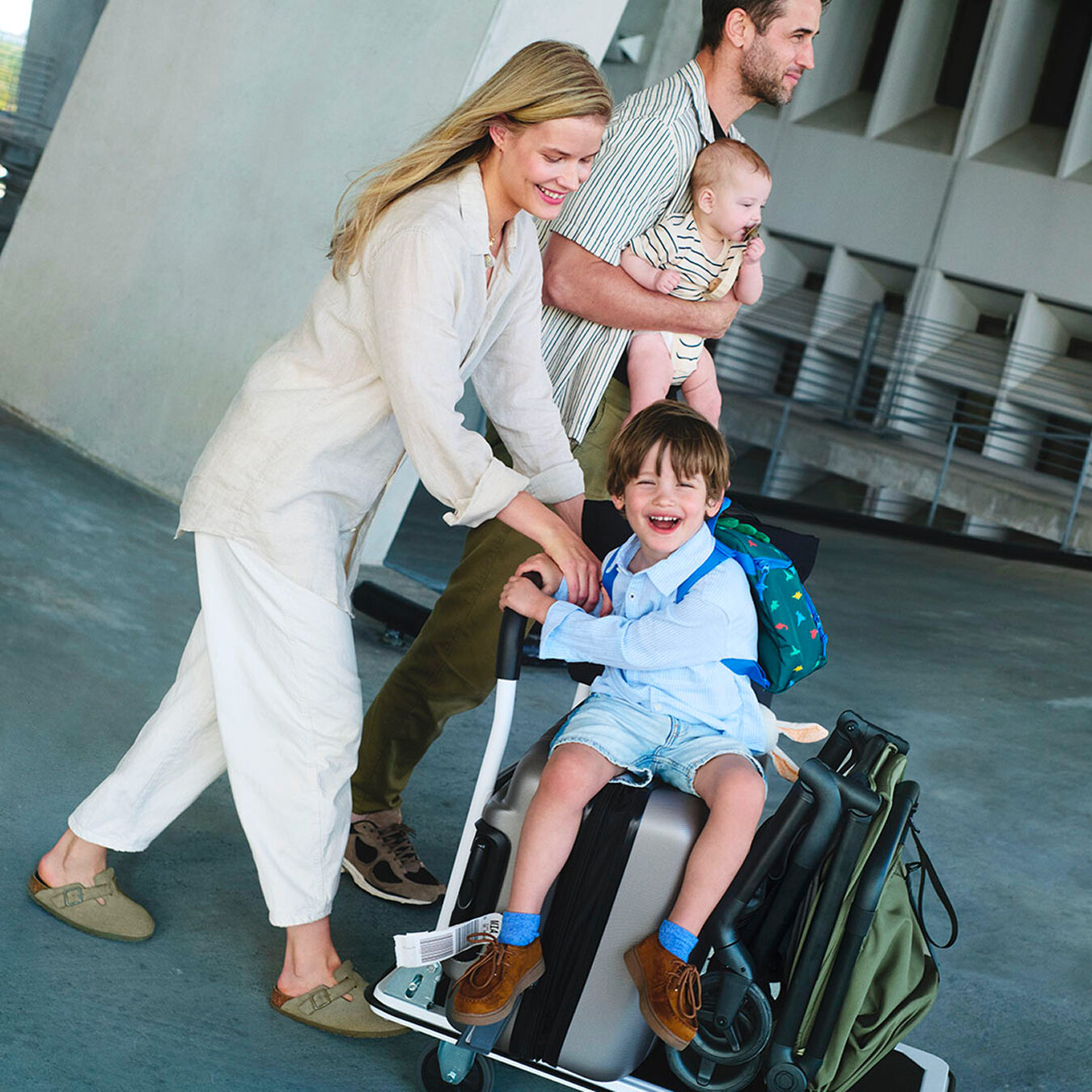
Showing your child the world is one of the most rewarding parts of parenting. You want them to experience new cultures, hear different languages, and discover how other people live. But getting from your front door to a new destination requires a shift in how you handle logistics.
A little planning and a focus on practical details make a big difference. Here’s how to simplify transportation and logistics so your family arrives ready to explore.
Shifting your mindset for family travel
Before you book a ticket or pack a bag, you have to adjust your expectations. When you travel alone or with another adult, the goal is usually to get from point A to point B as quickly as possible. With kids, the journey itself becomes an adventure. What’s everyday to you is exciting to them.
Slow down and let them take it in. Plan for extra time on travel days. Focus on the nine crucial minutes: three after waking, three after transitions, and three before bed. During these times, give your child your full attention — it helps them feel secure and manage travel stress.
Pre-trip logistics and smart planning
A smooth family trip begins weeks before your departure date. The way you arrange your itinerary heavily influences how your children handle the travel day. Some tips to keep in mind:
- Choose direct flights when you can. If you need a layover, aim for at least three hours. Longer connections mean time to eat, stretch, and regroup, so you avoid rushing through crowded airports with little ones.
- Get your kids involved in trip prep. They can check out maps or watch videos of your destination. Walk them through airport security so they know their bags will go through an x-ray and come right back. When kids know what’s coming, they feel confident and are more likely to cooperate.
- Plan how you’ll get from the airport to your hotel before you travel. Look up public transit, taxis, or rental cars in advance. That way, you won’t be left juggling tired kids and bags at the curb.
- Have backups. Digital copies of itineraries and IDs belong on your phone, but print them out in case your battery dies or your hands are full. Double-check passports, offline directions, and confirmations before you go.
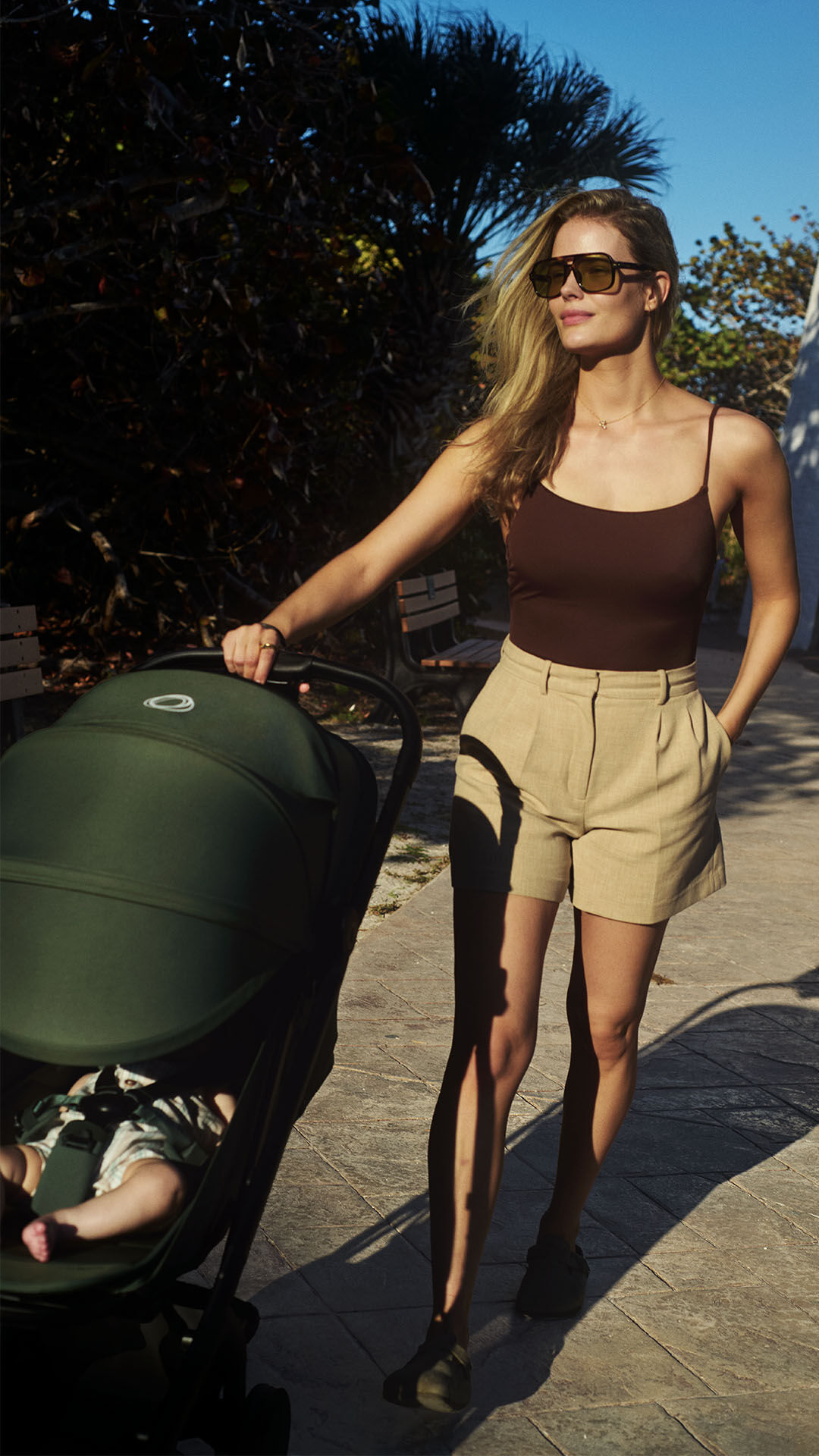
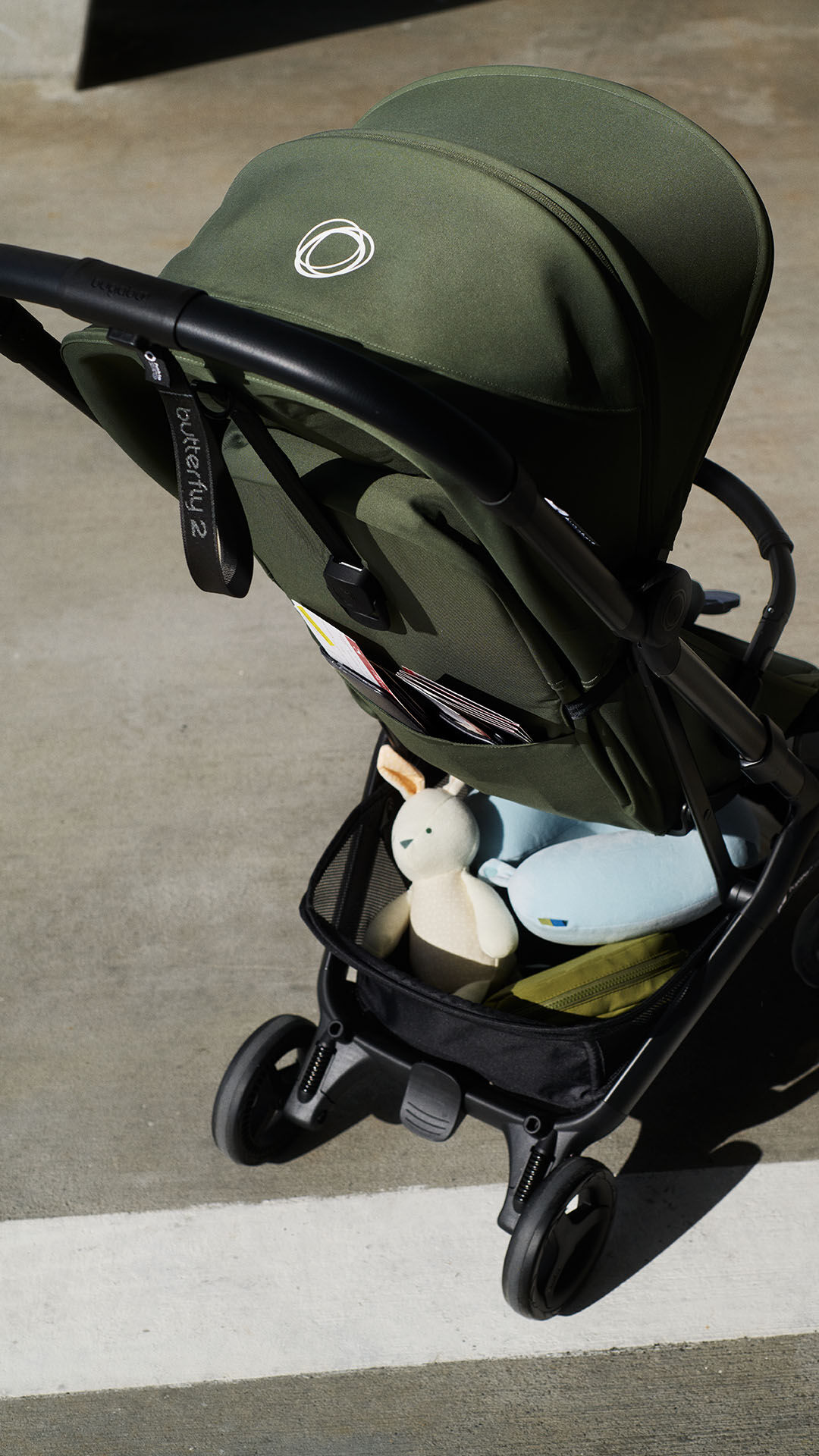
- Bring a lightweight, compact travel stroller. Something like the Bugaboo Butterfly 2 folds up in an instant, so you're never wrestling with gear when you've already got your hands full — and it doubles as a cozy, secure nap spot for your little one on longer walks.
Navigating the airport and flying with kids
Airports are highly stimulating environments. To manage them successfully, you need a clear strategy for how you move your family through the space. For example:
- Hand in your bags for check-in, especially if you’re traveling with young kids. Use just one carry-on with essentials: diapers, wipes, extra clothes for everyone, basic meds, and a few activities. This lightens your load and lets you focus on your child, not juggling bulky luggage.
- Before you join security lines, take five minutes to get ready: put everything from your pockets into your bag, remove jackets, and finish any drinks. Explain what’s next to your child. One parent packs bags and bins; the other helps your child through the scanner.
- If you're planning to bring a stroller, double-check if yours can go on board. The Bugaboo Butterfly 2 is designed to fit in most overhead compartments, so you can skip the hassle of gate-checking. Still, airline requirements vary— check with your specific carrier before you fly.
- When boarding, decide what works best for your family. Need extra time for a car seat or overhead bins? Board early. Traveling with an active toddler? Let them play in the terminal a bit longer before settling in.
- To prevent ear pain from pressure change, breastfeed them, offer a bottle, or use a pacifier during takeoff and landing, as swallowing helps their ears adjust. For older kids, give a drink with a straw or hard candy.
- Simplify your seat setup. Wipe surfaces and stash essentials — ike tissues, water, and their favorite snack — within easy reach so you’re not digging around mid-flight.
Mastering the family road trip
Road trips give you more freedom than flying, but they do test your endurance. Spending hours in the car can challenge everyone’s patience. The key to a smooth family drive? Set your own pace.
- Plan for extra hours, as kids need breaks. Stop every couple of hours and skip crowded gas stations. Try a quick detour to a park or playground. Twenty minutes of running outside will help everyone reset for the road.
- Think about where everyone sits in the vehicle. If you’re traveling with two adults, have one sit in the back with the kids now and then. It’s easier to pass out snacks, read, settle little disputes, and keep things interesting for your child.
- Double-check your gear. Pack your stroller, play yard, or toys where you can reach them. The right gear close at hand makes rest stops smoother and helps you handle surprises on the road.
- Skip the large snack bags — they're too messy and easy to overeat. Pack small portions in containers before you leave. Hand them out as you go, turning snack breaks into fun milestones for your trip.
- Dress your baby in cool, breathable fabrics for the car. Slip-on shoes make it easy for kids to get comfy and quickly slip them back on at stops.
- For long drives, try traveling when your child usually sleeps — like early mornings — so you can cover more ground while they rest. But never drive when tired; your alertness keeps your family safe.
Managing routines, sleep, and meals on the go
Traveling takes your child out of their comfort zone. You can help your child feel secure with some easy-to-implement strategies:
- Bring parts of your home routine with you. Stick to the same bedtime steps: a bath, favorite book, a lullaby — even in a new place. This consistency helps your child settle, no matter where you are.
- Pick lodging with a separate bedroom so you can unwind after your child falls asleep. If you’re all in one hotel room, use the bathroom for changing or set up a divider. A portable sound machine helps block out unfamiliar noises, making bedtime easier in a new place.
- When you cross time zones, switch to the new local time right away. Spend plenty of time outside during your first two days, as sunlight helps reset your child’s sleep schedule. Keep daytime naps short to avoid middle-of-the-night wakeups.
- Avoid eating out for every meal. Head to a grocery store on your first day and stock up on easy breakfasts, fruit, and snacks. Having breakfast in your room makes mornings smoother and saves money. Plan just one restaurant meal a day. Lunch is best, when kids are more patient and places are quieter.
Keeping children entertained without the stress
Long trips can be tough on kids, especially if screens are the main source of entertainment. Too much screen time can overwhelm them and make meltdowns more likely. Here are some better options:
- Surprise your child with a few new or saved-away toys that spark open-ended play. Bring them out one at a time during the journey to keep things fresh and fun.
- Keep little hands busy with activities that build fine motor skills. Painter’s tape or sticky notes are great for toddlers, since they can stick, peel, and create shapes without leaving a mess. For older kids, pack a blank notebook and colored pencils. Give fun prompts like drawing the plane, sketching your route, or imagining your destination.
- Invite your kids to explore their surroundings. Talk about what you see out the window or play games to spot numbers and logos. Make travel engaging, not just something to get through.
- Use screens as a backup, not the main event. Save games or movies for when energy dips near the end of the trip. They can help you cross the finish line with less stress.
Final thoughts
Family travel is part planning, part patience, and entirely worth it. Every trip teaches your child something valuable — how to adapt, stay curious, and feel at home in new places. With a little thoughtful preparation, the journey becomes just as memorable as the destination. So pack with intention, take it one step at a time, and soak in every moment of the adventure together.