How to Choose the Right Car Seat
Your car seat will be one of the most important safety investments you make for your baby. However, there are several things to consider when choosing one, including how it attaches to your vehicle and which size is best suited to your child.
This car seat guide will take you through the different sizing systems, unpack some of the common questions about infant car seats and give you some quick tips and safety advice.
At what age does a child need a car seat?
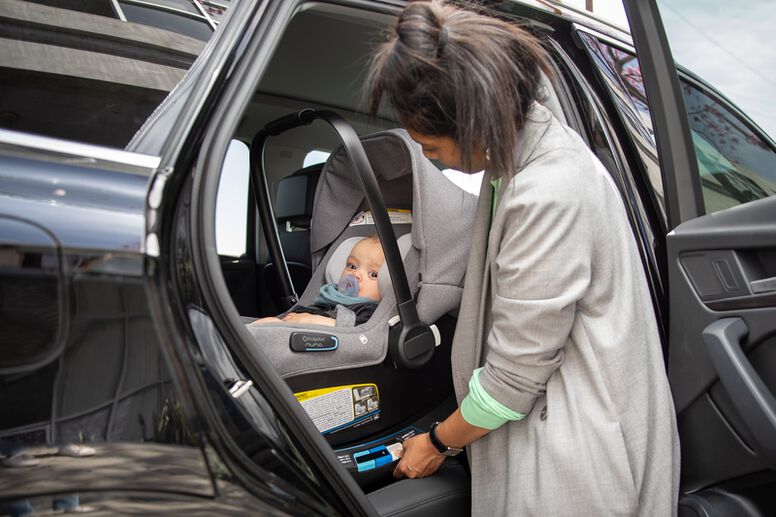
The law requires that every child has to have an appropriately sized car seat while travelling in a car until they are either 135 cm tall or 12 years old (whichever comes first). This makes them an absolute necessity and something worth exploring before your baby arrives.
What size car seat do you need?
To choose the right car seat sizes, it’s helpful to know three things:
● Child’s weight
● Child’s height
● Age of child
Once you have these details, you can use either of the following systems to find the best baby car seat for your child.
R44 car seats
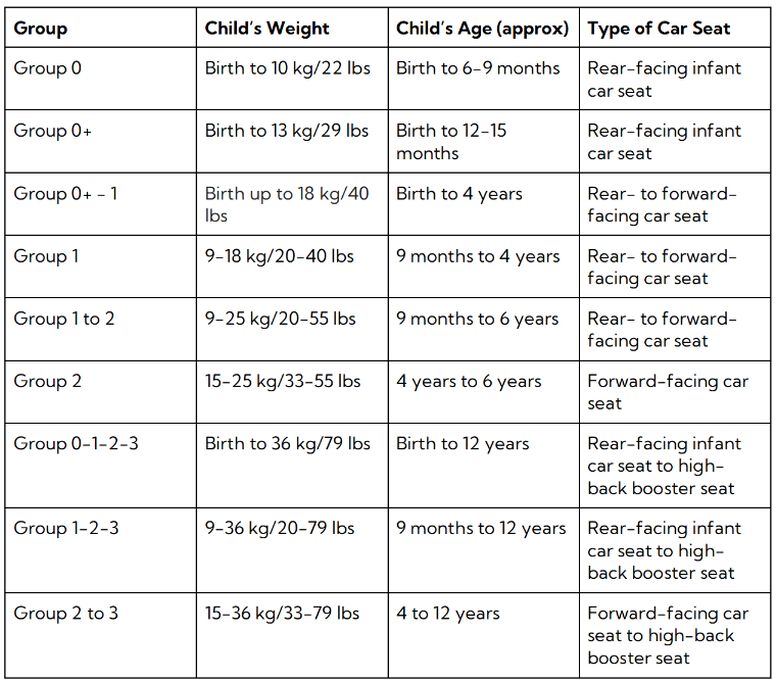
This sizing system is based on your child’s weight and is defined by the UK’s R44 legislation, which is a safety standard. Match up your child’s weight using the car seat size chart below to find out which group your child falls into.
i-Size car seats
i-Size is a newer sizing system for car seats that conforms to the EU’s R129 safety legislation. This system categorizes seats by a child’s height rather than weight and adheres
to the most up-to-date safety standards. Most newly designed car seats will be i-Size, and this system will eventually replace the older R44 model.
A key difference of the i-Size car seat is that it keeps children rear-facing until they are at least 15 months old. This is the minimum age recommended before switching to a forward-facing seat.
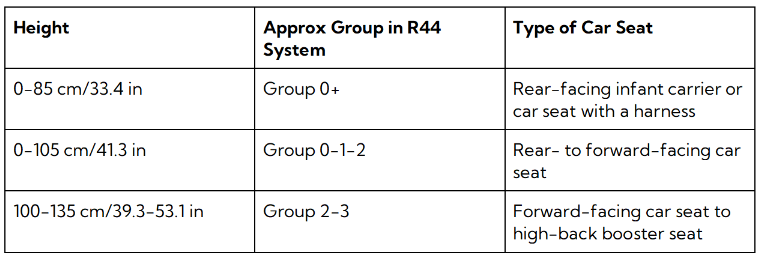
i-Size car seats come in three sizes, depending on your child’s height. These are outlined in the chart below:
What is a rear-facing car seat?
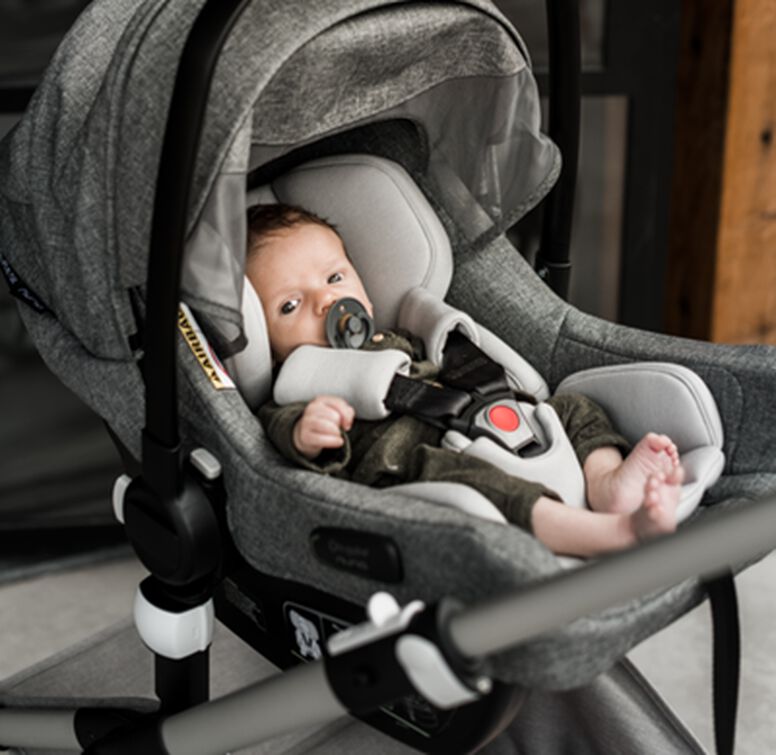
Rear-facing car seats work to counteract the effect of frontal collisions when driving. If your child is forward-facing and you have a collision or need to brake suddenly, they can be jolted forward. Although a harness will keep them securely in their seat, this movement can cause stress to a child’s head and neck.
This is much less dangerous in an older child than a baby, which is why once your child reaches a certain weight or height it is fine to switch to a forward-facing car seat. Young infants, however, need to be in a rear-facing seat to help distribute impact.
If you’re using an i-Size seat, the forward-facing car seat age starts from 15 months old. If you have an R44 seat, you can switch to forward-facing once your child weighs over 9 kg/20 lbs.
What is an impact shield car seat?
Impact shields, which are also called safety cushions, are made of a padded material that can be strapped to your child while they’re in their car seat. They essentially work as a pre-inflated airbag and, like a rear-facing car seat, help distribute the force of impact.
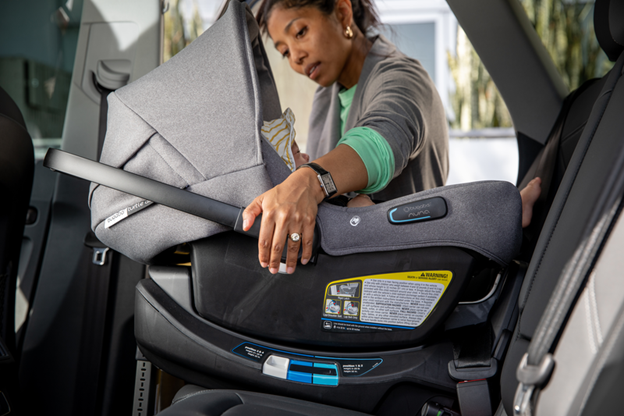
Bugaboo’s Turtle Air for Nuna car seat features a meticulously developed outer shell and headrest which also work as a shield for your child, keeping them snug and protected while you drive.
How to use your car seat safely
● Check that the car seat has the right dimensions to fit in your vehicle before you make a purchase
● Avoid second-hand car seats as it’s not always possible to tell if they’re damaged
● When fastening the harness on your child, check to see if the harness is tight enough by making sure you can’t fit more than two fingers beneath it
● Don’t take long trips with children under three - they shouldn’t be in a car seat for more than two hours at a time
If you found this guide helpful, why not check out our pushchair buying guide and our newborn baby essentials checklist? Or better yet, explore our available options for baby pushchairs, car seats and travel cots right here on our Bugaboo web store.