




How to build a zero-waste morning routine with your family

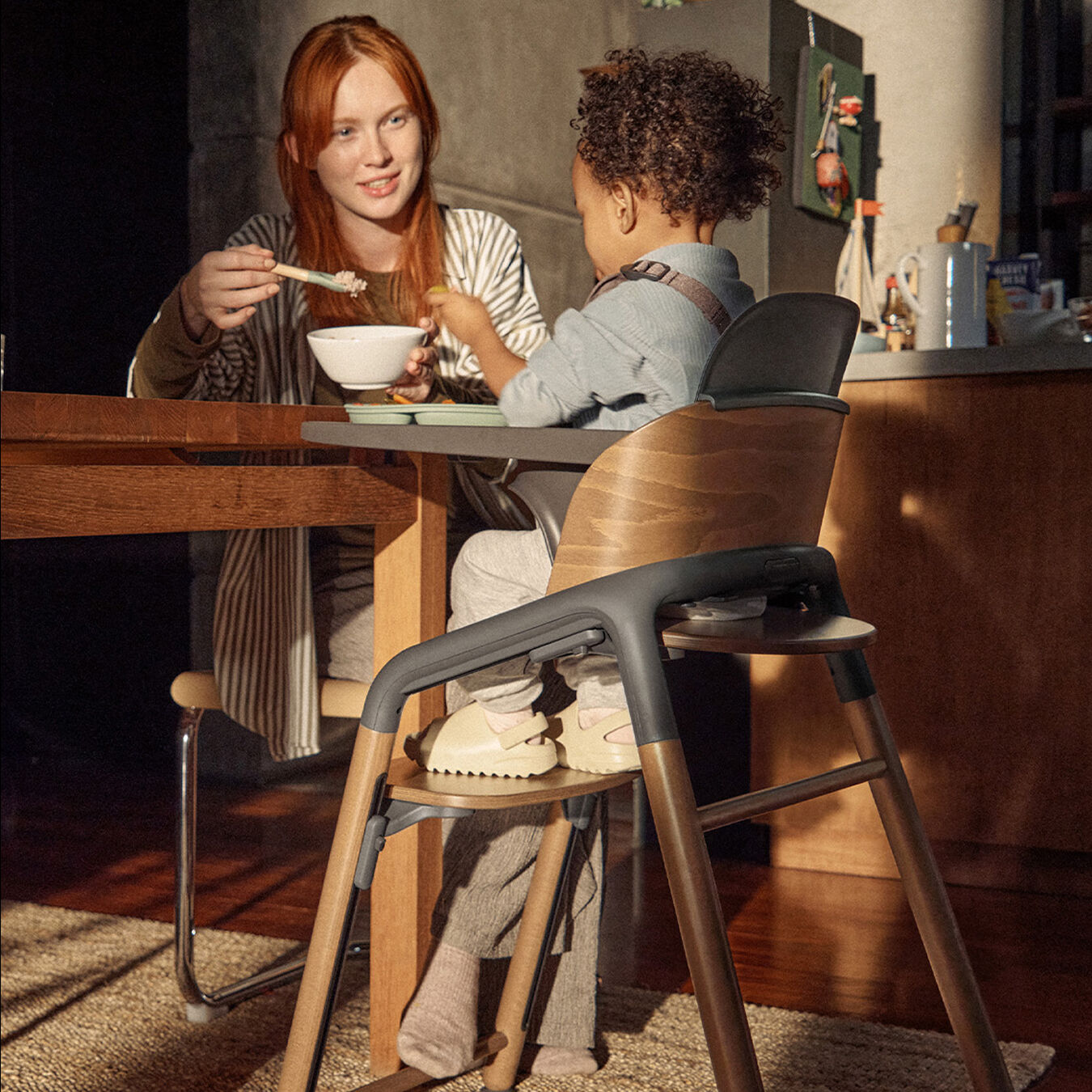
Mornings with children have a reputation for being rushed, chaotic, and occasionally overwhelming. Between locating lost shoes, preparing breakfast, and managing the clock, the start of the day can feel like a race against time. But it doesn’t have to be this way. With a thoughtful, zero-waste routine, your morning can transform from a source of stress into a time of calm, clarity, and purpose.
Creating a sustainable morning routine doesn't require perfection, nor does it demand sweeping, uncomfortable lifestyle changes that are impossible to maintain. Instead, it is about building intentional, repeatable habits that support your family’s wellbeing while respecting the planet. With a little planning and a shift in perspective, you can significantly reduce household waste, ease the morning rush, and invite your children into meaningful daily rituals that last a lifetime.
What is a zero-waste morning routine?
A zero-waste morning routine is simply a mindful approach to starting the day with minimal waste and maximum intention. It isn't about fitting a year’s worth of rubbish into a single glass jar or adhering to strict, impossible standards. Rather, it focuses on reducing single-use items, choosing reusable and refillable alternatives, and simplifying daily habits to make them better for your home, your family, and the environment.
This approach looks at the entire lifecycle of your morning—from the water you use to wash your face to the packaging of your breakfast cereals. It prioritises quality over quantity and experiences over disposables. For a busy parent, this means stripping away the unnecessary clutter that complicates the morning, leaving you with a streamlined flow that works efficiently. When you strip away the excess, you make space for what truly matters: connection with your children and a peaceful start to the day.
Why a Zero-Waste Morning Routine Matters
Adopting sustainable habits isn't just about environmental stewardship; it has practical, tangible benefits for your family's daily life.
Bring Order to Your Mornings
Mornings set the emotional tone for the entire day. If the start of the day is frantic and wasteful, that energy often carries through to the afternoon. A simple, intentional routine smooths out those rough edges, providing structure and calm for both you and your children.
Consider the physical environment of a zero-waste home. Fewer disposable products mean less clutter to manage—no overflowing bins to empty before the school run, no piles of plastic wrappers on the counter. When you aren't managing waste, you have more time to connect, breathe, and enjoy the morning together. It creates a visual and mental space that allows everyone to leave the house feeling grounded.
Help Protect Your Children’s Future
As parents, we are naturally concerned with the world our children will inherit. Rethinking the single-use snacks, coffee pods, and plastic-wrapped products that sneak into our mornings is a direct action we can take to protect that future.
Every time you choose a reusable beeswax wrap over cling film or brew loose-leaf tea instead of using a plastic bag, you reduce the amount of waste sent to landfill. You also reduce the demand for resource-heavy manufacturing processes. These daily choices demonstrate to your children that caring for the planet is not an abstract concept discussed only in school—it is an active, integral part of daily life.
Teach Your Children Valuable Life Skills
Zero-waste routines are inherently educational. They invite participation and spark curiosity. When you let your children help sort the compost, fill up soap dispensers from bulk containers, or select their own reusable water bottle, you are teaching them responsibility.
These small moments build problem-solving skills and foster independence. A child who understands that food scraps turn into soil for the garden learns about circular economies and biology naturally. Allowing them to pitch in on your routine builds their self-confidence; they see that their actions, even small ones, have a tangible impact on the household and the world.
The Foundations for a Waste-Free Morning
A successful zero-waste morning takes more than just good intentions; it relies on clear principles and thoughtful preparation. Once these pillars are in place, mornings run more smoothly, and sustainable habits become effortless rather than a chore.
The "Zero-Waste" Pillars
To navigate the decisions you make for your home, use the "5 Rs" as your compass. Rather than viewing them as rigid rules, see them as a flexible, guiding mindset that helps you make better choices.
1) Refuse: This is the most powerful step. Refuse to buy what you don’t need. This might look like saying no to free plastic toys that come with magazines, refusing single-use coffee cups on the way to work, or bypassing overpackaged fruit in the supermarket. If it doesn't enter your home, it doesn't become waste.
2) Reduce: Look at what you actually use and need. Can you simplify the breakfast options to avoid food waste? Can you curate a capsule wardrobe so getting dressed is faster and requires fewer clothes? Reducing excess clears the path for a calmer morning.
3) Reuse: Before buying something "sustainable" and new, use what you already have. Your existing Tupperware, glass jars from jams, and tote bags are perfectly adequate. The most sustainable item is the one you already own.
4) Recycle: This should be a last resort after the first three steps. Ensure you are recycling correctly according to your local council’s guidelines. Rinse out containers and separate materials to ensure they actually get processed.
5) Rot: Composting is a game-changer for family waste. Vegetable peelings, fruit cores, and coffee grounds can all be composted. If you don't have a garden, look for local community compost schemes or food waste collection services.
Prepare the Night Before
Peaceful mornings start the evening before. It is difficult to make mindful, eco-friendly choices when you are groggy and rushing. Even ten minutes of preparation can save significant time and stress the next day.
- Lay out outfits for everyone: Check the weather forecast and choose clothes the night before. This prevents the morning panic of finding a missing shoe or realising a jumper needs washing.
- Prep for breakfast: If you enjoy porridge, set up overnight oats in reusable glass jars. Put dry ingredients in bowls or set the table with cloth napkins.
- Pack lunches sustainably: Use stainless steel containers or beeswax wraps for sandwiches. Get the kids involved in this process; they are far more likely to eat a lunch they helped pack, which reduces uneaten food waste.
- Check bags and bottles: Ensure water bottles are washed and refilled, and reusable coffee cups are clean and in your bag, ready for the morning commute.
Make Space for You
As a parent, your energy sets the thermostat for the house. A few minutes of quiet before the rest of the house wakes up can change everything. Enjoy a tea or coffee (brewed without single-use pods), do some gentle yoga, step outside to breathe the fresh air, or jot down a short "must-do" list for the day. When you start the day grounded and centred, your family feels it, and the routine flows with greater ease.
Steps to a Simple Zero-Waste Morning Flow
Creating a flow that works requires looking at the key touchpoints of your morning: waking up, personal care, breakfast, and getting dressed.
Waking Up
Gentle wake-ups help calm the mind and allow you to start your day with intention rather than alarm.
- Consistency: Try to keep a consistent wake-up time for the whole family, even on weekends. This regulates body clocks and makes waking up easier.
- Natural Light: Use sunrise alarm clocks that mimic the dawn, or simply open the curtains immediately to let in early natural light. This signals the body that the day has begun without the jarring noise of a smartphone alarm.
- Analogue Alarms: Consider keeping phones out of the bedroom. Place a classic alarm clock across the room so you have to get up to turn it off. This prevents the "doom scroll" in bed and starts the day with movement.
- Hydration: Start with a glass of water right away. Keep a carafe and glasses by the bed to avoid needing to go to the kitchen immediately.
Personal Care
The bathroom is often a major source of household plastic waste, but simple swaps can make a huge difference without complicating your routine.
- Dental Care: Switch to bamboo toothbrushes, which can be composted (minus the bristles usually) at the end of their life. Toothpaste tablets or pastes packaged in recyclable aluminium tubes or glass jars eliminate unrecyclable plastic tubes.
- Hair and Body: Shampoo and conditioner bars are excellent space-savers and eliminate plastic bottles entirely. They are also concentrated, meaning they last much longer than liquid versions. For handwashing, bar soaps or refillable glass dispensers are elegant, low-waste solutions.
- Skincare: Look for lotions and balms in aluminium tins or glass jars. Reusable cotton pads or muslin cloths are far superior to disposable cotton wool pads for washing faces or applying toner—simply toss them in the laundry bag after use.
- Family Involvement: Make hygiene fun. Let your children pick the scent of the bar soap or help unwrap new bamboo toothbrushes. It normalises these sustainable products as the standard.
Breakfast
Breakfast is the fuel for the day, but it’s also a prime suspect for packaging waste. Keep it simple, nourishing, and low-waste.
- Bulk Buying: Purchase staples like oats, nuts, seeds, and dried fruit in bulk. Store them in clear glass jars; not only does this look beautiful on your shelves, but it also allows you to see exactly how much you have left, preventing overbuying.
- Reusable Containers: If breakfast is eaten on the go, skip the cling film and foil. Use durable containers that can be washed and reused thousands of times.
- Compost: Keep a small countertop compost bin for eggshells, banana skins, and apple cores. Get the kids to help empty this into the main bin or garden compost heap.
- Simplicity: You don't need a different breakfast every day. Simple, wholesome meals like porridge, fruit, or eggs and toast generate very little waste and are quick to prepare.
- Mindful Eating: Make breakfast a family moment, even if it's just for ten minutes. Avoid digital distractions, use real crockery and cloth napkins, and enjoy the time together. This teaches children to value their food and the effort that went into preparing it.
Getting Dressed
Fast fashion is a significant environmental issue, but your morning dressing routine can be an antidote to that culture.
- Capsule Wardrobes: Create capsule wardrobes with versatile, durable clothes for everyone in the family. Fewer options mean less decision fatigue in the morning and less laundry in the long run.
- Secondhand and Hand-Me-Downs: Children grow quickly. Shopping secondhand or using hand-me-downs from friends and family extends the life of garments and saves a considerable amount of money.
- Repair over Replace: If a favourite pair of trousers gets a small hole, repair it. Teaching children that clothes can be mended rather than discarded is a powerful lesson in valuing resources.
- Sustainable Brands: When you do need to buy new, invest in brands that prioritise organic materials, ethical production, and longevity.
- Pre-Selection: As part of your evening prep, pick outfits the night before. For younger children, give them a choice between two pre-selected options. This gives them agency without overwhelming them with an entire wardrobe of choices.
Tips for Bringing Your Children Into the Routine
Children learn best through participation and imitation. If you make sustainability a chore, they will resist it. If you make it a natural part of life, they will embrace it.
Give Them Age-Appropriate Tasks
Involving children in the mechanics of the morning routine builds competence.
- Toddlers: They can put pyjamas in the hamper, carry empty bowls to the sink, or put their toothbrush back in the holder.
- Preschoolers: This age group loves to be helpful. Let them set the table with spoons and napkins, choose their own outfit from the options you provided, or sort food scraps for the compost bin.
- School-Age Kids: They can take on more responsibility, such as packing their own lunch (from healthy options you've prepared), filling their water bottles, making a simple breakfast like toast or cereal, or checking their school bags against a list.
Leave Space for Discovery
Mornings don’t always have to be strictly business. On days when your schedule allows, or if you’ve managed to get ready early, use that time for connection.
- Creative Play: Encourage five minutes of drawing or building after chores are done.
- Quiet Corner: Set up a simple reading nook or toy corner for post-breakfast quiet play while you finish your coffee.
- Fresh Air: If time permits, get the pram or pushchair out and take a short walk around the block. Observing the changing seasons, spotting birds, or just feeling the fresh air wakes up the brain and body.
- Reading: Read a story together. Even one short picture book creates a moment of bonding before you separate for the day.
Teach the "Why"
Children are naturally curious. Explain your choices simply and honestly.
- “We use these metal cups because plastic can hurt the fish in the ocean.”
- “We put these apple cores in the compost to help our garden flowers grow big and strong.”
- “We turn the water off while brushing to save it for the trees.”
When children understand the purpose behind the action, they are more engaged and often become the fiercest defenders of the routine.
Maintaining Your Routine in the Long Run
The goal is sustainability in every sense of the word—environmentally, but also emotionally. A routine you cannot maintain is not a sustainable one.
Keep It Flexible
Aim for progress, not perfection. Your mornings should flow with your family’s changing needs.
- Anchor Points: Set 2-3 non-negotiable anchor points, such as “eat breakfast together” and “leave the house by 8:30”. Everything else can be flexible around these pillars.
- Visual Charts: For younger kids, pictures work better than verbal reminders. A simple chart showing a toothbrush, clothes, and a bowl of porridge can help them stay on track without you needing to nag.
- Buffer Time: Always add 10-15 minutes of buffer time for the unexpected—a spilled drink, a tantrum, or a lost toy.
- Empowered Choices: Give your children options to help them feel in control. "Do you want to put your shoes on first, or brush your teeth first?"
- Grace: Most importantly, don’t beat yourself up if your mornings go sideways. Some days you might need to grab a packaged snack or drive instead of walk. It happens. Reset and try again tomorrow.
Learn and Lean on the Community
You are not doing this alone. Community support makes consistency easier.
- Local Groups: Look for local zero-waste groups on social media or in your community centre. They are goldmines for advice on where to recycle tricky items or where to find package-free shops.
- Shop Zero-Waste: Support local bulk stores, greengrocers, and markets. The staff there are often passionate about sustainability and can offer great tips.
- Keep Learning: Sustainability is a journey. Read books, listen to podcasts, or follow inspiring families online. There is always room to improve and new ideas to try.
- Share Your Journey: Be open about your choices with other parents. You don't need to preach; simply using a reusable nappy bag or a beeswax wrap at the park might spark a conversation and inspire another family to make a change.
A Lasting Impact
The effects of a zero-waste morning reach far beyond the start of the day. When you cut waste, you shrink your environmental footprint. By using what you already own, you save time and money. A calmer, less cluttered home creates less stress and more room for fun, creativity, and adventure.
Most importantly, your children will learn responsibility, empathy, and care for the world around them. They will grow up understanding that their choices matter. Start where you are today. Choose one small habit—perhaps switching to bar soap or preparing breakfast the night before—and build from there. With every mindful choice and every piece of waste avoided, you are shaping mornings that help your family thrive and building a future your children can feel proud of.