


Cómo crear una rutina matutina ‘Zero Waste’ en familia

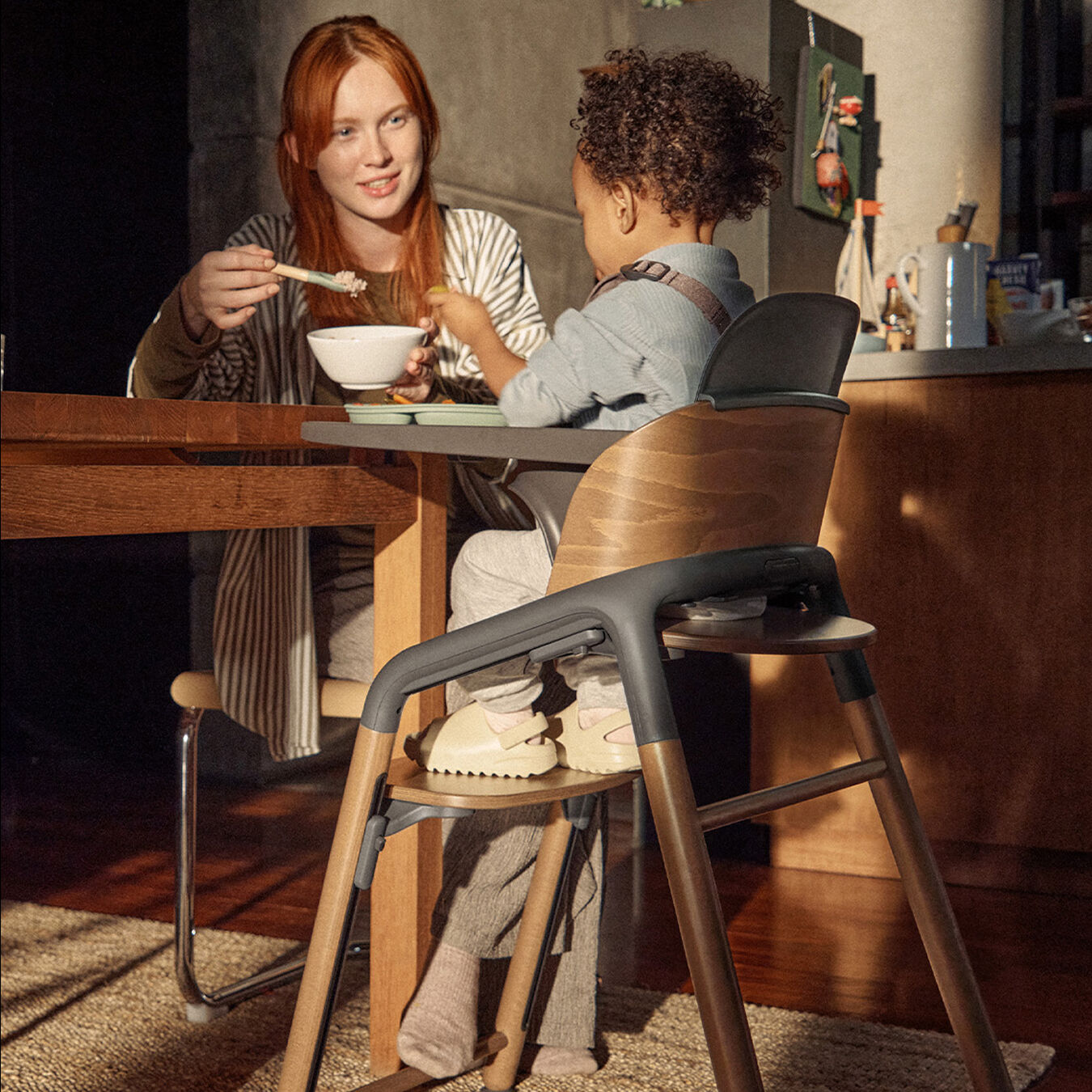
Las mañanas con niños tienen fama de ser caóticas. Entre despertadores que suenan, desayunos a medio terminar, la búsqueda del zapato perdido y la carrera contra el reloj, es fácil sentir que empezamos el día ya agotados. Sin embargo, no tiene por qué ser así. Creemos firmemente que, con un poco de intencionalidad, las mañanas pueden transformarse en un espacio de conexión, calma y propósito.
Para los padres que buscan soluciones para hacer del mundo un lugar mejor, transformar la rutina matutina en una práctica ‘Zero Waste’ (o Residuos Cero) es una oportunidad poderosa. No se trata de alcanzar la perfección inmaculada ni de cambiar vuestro estilo de vida de la noche a la mañana. Se trata de diseñar hábitos repetibles que simplifiquen vuestra vida, reduzcan el estrés y enseñen a vuestros hijos el valor de cuidar el planeta.
Al eliminar lo superfluo y centrarnos en la calidad y la sostenibilidad, no solo estamos reduciendo la basura que enviamos al vertedero; estamos creando un ambiente familiar más relajado y eficiente. Aquí exploraremos cómo construir, paso a paso, una mañana que se alinee con vuestros valores y os prepare para disfrutar del día, ya sea en casa o explorando el mundo.
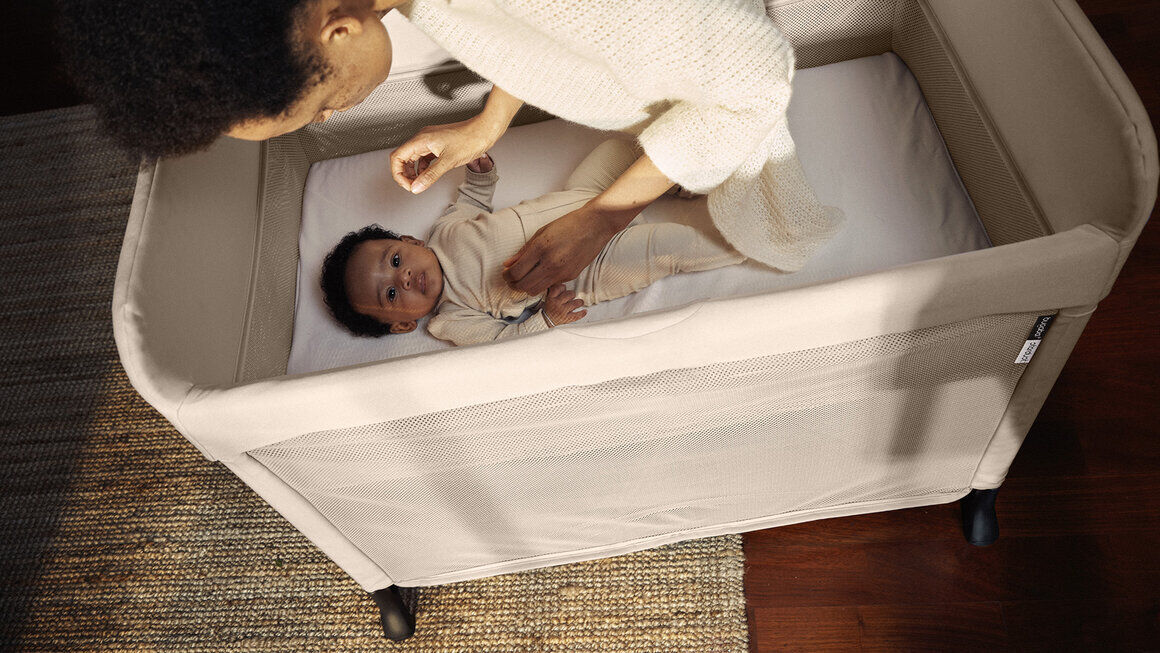
¿Qué es realmente una rutina matutina Zero Waste?
Antes de sumergirnos en la logística, definamos el concepto. Una rutina matutina Zero Waste es un enfoque consciente para comenzar el día minimizando los desperdicios y maximizando la intención. Va mucho más allá de simplemente reciclar. Se centra en repensar nuestros hábitos automáticos: reducir los artículos de un solo uso, optar por alternativas reutilizables y simplificar las tareas diarias para que sean más amables con vuestro hogar y el medio ambiente.
Para familias modernas, educadas y con espíritu creativo, este enfoque ofrece una doble recompensa: practicidad y ética. Al elegir productos diseñados para durar y eliminar los envases desechables, estáis optando por la calidad sobre la cantidad. Es una filosofía que encaja perfectamente con aquellos que valoran la originalidad y buscan criar hijos conscientes y autónomos.
Por qué esta rutina transforma vuestro día
Trae orden al caos matutino Las mañanas establecen el tono emocional de todo el día. Una rutina simple e intencional suaviza las aristas del estrés y proporciona una estructura reconfortante tanto para vosotros como para vuestros hijos. Menos productos desechables significan menos desorden visual y físico que gestionar. Cuando no tienes que lidiar con envoltorios de plástico, cajas vacías y basura acumulada, ganas tiempo real para conectar, respirar y disfrutar del desayuno juntos.
Protege el futuro de vuestros hijos Como padres, nos preocupan los problemas sociales y ambientales. Repensar los snacks envasados individualmente, las cápsulas de café y los productos envueltos en plástico que se cuelan en nuestras mañanas es un acto de activismo diario. Al elegir opciones reutilizables, reducís drásticamente lo que acaba en los vertederos. Estas elecciones diarias demuestran a vuestros hijos, con hechos y no solo palabras, que cuidar el planeta es una parte integral y natural de la vida.
Enseña habilidades valiosas Las rutinas Zero Waste invitan a la participación activa. Permitir que los niños ayuden a clasificar el compost, rellenar dispensadores de jabón o preparar sus botellas de agua reutilizables fomenta la responsabilidad. Estos pequeños momentos enseñan resolución de problemas e independencia. Al ver que sus acciones importan, construyen una autoconfianza sólida, entendiendo que tienen el poder de tomar decisiones positivas.
Los cimientos de una mañana sin residuos
Una mañana fluida y sostenible no sucede por arte de magia; se construye sobre principios claros y una preparación reflexiva. Una vez que establecéis estos pilares, la sostenibilidad deja de ser un esfuerzo extra para convertirse en vuestra forma natural de operar.
Los pilares del Zero Waste: Las 5 Rs
Utilizad las "5 Rs" como una brújula para vuestras decisiones diarias. No lo veáis como reglas rígidas que coartan vuestra libertad, sino como un marco flexible que simplifica la toma de decisiones:
- Rechazar (Refuse): Aprended a decir "no" a lo que no necesitáis. Esto puede ser rechazar juguetes promocionales de plástico barato que acabarán en la basura en dos días o evitar comprar alimentos con un exceso de envoltorio innecesario para el desayuno.
- Reducir (Reduce): Simplificad. ¿Realmente necesitáis cinco tipos de cereales diferentes? Reducir el exceso en la despensa y en el armario facilita la elección y agiliza la mañana.
- Reutilizar (Reuse): Antes de comprar algo nuevo, mirad lo que ya tenéis. Usad frascos de vidrio para almacenar avena, bolsas de tela para el pan y contenedores duraderos para los almuerzos escolares.
- Reciclar (Recycle): Para aquello que no podéis rechazar, reducir o reutilizar, aseguraos de separarlo correctamente. Enseñad a los niños qué va en cada contenedor.
- Compostar (Rot): Los restos de fruta, las cáscaras de huevo y los posos de café no son basura; son recursos. El compostaje cierra el ciclo y reduce enormemente vuestra bolsa de basura diaria.
La preparación nocturna: La clave del éxito
Una mañana pacífica comienza la noche anterior. Cuando estamos cansados por la noche, la tentación es dejarlo todo para "el yo del futuro", pero dedicar solo diez minutos a la preparación nocturna os ahorrará estrés y prisas al día siguiente.
- Preparad la "zona de lanzamiento": Revisad mochilas, documentos y bolsos. Aseguraos de que el cochecito esté listo si planeáis salir.
- Adelantad el desayuno: La avena nocturna (overnight oats) es un salvavidas para las familias Zero Waste. Poned avena, leche o alternativa vegetal, y frutas en tarros de vidrio la noche anterior. Por la mañana, el desayuno está listo, es nutritivo y no ha generado residuos de envases.
- Almuerzos listos: Empaquetad los almuerzos o meriendas en contenedores reutilizables de acero inoxidable o vidrio. Involucrad a los niños en este proceso; es más probable que se coman lo que ellos mismos han ayudado a preparar y empacar.
- Selección de ropa: Dejad los conjuntos de ropa preparados para todos. Esto evita las batallas de vestuario matutinas y la fatiga por toma de decisiones a primera hora.
Cread espacio para vosotros
Antes de que la casa despierte y empiece la actividad frenética, regalaos unos minutos de quietud. No se trata de productividad, sino de centramiento. Disfrutad de un té o café (preparado sin cápsulas, quizás en prensa francesa o cafetera italiana), haced unos estiramientos suaves o simplemente respirad. Cuando vosotros empezáis el día conectados y tranquilos, vuestra familia lo percibe y el ambiente general se relaja.
Flujo paso a paso para una mañana sostenible
Hemos diseñado un flujo matutino que cubre desde el momento de despertar hasta salir por la puerta, integrando cambios sencillos que tienen un gran impacto.
1. El despertar consciente
La forma en que nos despertamos marca la pauta. Los sobresaltos y las prisas generan cortisol innecesario.
- Luz natural: Si es posible, usad la luz del sol para despertar. Abrid las cortinas para dejar entrar la luz natural; esto regula el ritmo circadiano de los niños de forma orgánica.
- Hidratación inmediata: Empezad con un vaso de agua. Tened una jarra de vidrio en la mesita de noche o en la cocina lista para servir. Evitad las botellas de plástico desechables en casa.
- Consistencia: Mantener una hora de despertar constante ayuda a que el cuerpo de los niños se regule solo, reduciendo la lucha por salir de la cama.
2. Cuidado personal sin plásticos
El cuarto de baño es uno de los lugares donde más residuos plásticos generamos sin darnos cuenta. Aquí es donde la calidad y la durabilidad entran en juego.
- Cepillado dental: Cambiad a cepillos de dientes de bambú. Son biodegradables y funcionan igual de bien. Para la pasta, considerad tabletas de dentífrico (que vienen en vidrio o lata) o pastas en tubos de aluminio reciclable. A los niños les suele divertir la novedad de las tabletas.
- Higiene sólida: Las barras de champú y acondicionador sólidos son fantásticas. Eliminan las botellas de plástico, duran mucho más tiempo y son perfectas para familias viajeras, ya que no se derraman en la maleta y ocupan menos espacio.
- Jabones y lociones: Utilizad pastillas de jabón de calidad o dispensadores rellenables de vidrio/cerámica para el jabón de manos. Para la hidratación, buscad aceites o lociones en envases de vidrio o latas de aluminio.
- Toallitas reutilizables: Sustituid los discos de algodón desechables o las toallitas húmedas por paños de algodón orgánico lavables. Son más suaves para la piel del bebé y se lavan fácilmente con el resto de la colada.
3. Desayuno nutritivo y sin basura
El desayuno es el combustible para la aventura del día. Mantenerlo simple y bajo en residuos es posible con un poco de planificación.
- Compra a granel: Comprad los ingredientes básicos (avena, frutos secos, semillas, frutas deshidratadas) en tiendas a granel llevando vuestros propios frascos o bolsas de tela. Esto elimina kilos de envases de cartón y plástico al año.
- Cocina casera simple: Huevos, tostadas, fruta fresca o la avena preparada la noche anterior son opciones rápidas. Evitad la bollería industrial envasada individualmente.
- Mesa puesta con tela: Usad servilletas de tela. Elevan la experiencia del desayuno, haciéndola sentir más especial y civilizada, y eliminan el uso de papel.
- Gestión de residuos: Tened un pequeño cubo de compostaje en la encimera. Enseñad a los niños a echar allí las cáscaras de plátano o las tapas de las fresas después de comer.
4. Vestirse con intención (Armario Cápsula)
La industria de la moda genera una inmensa cantidad de residuos. Para una mañana eficiente, "menos es más".
- Armario cápsula: Cread un armario con prendas versátiles, duraderas y combinables entre sí. Cuando casi todo combina con todo, vestirse es mucho más rápido y los niños pueden elegir su propia ropa sin riesgo de combinaciones imposibles.
- Segunda mano y herencias: La ropa de niños tiene una vida útil corta porque crecen rápido. Usar ropa heredada de primos o amigos, o comprar en tiendas de segunda mano, es una de las acciones más sostenibles que podéis hacer. Además, ahorra dinero para invertir en experiencias o viajes.
- Calidad sobre cantidad: Cuando compréis nuevo, buscad marcas comprometidas con materiales orgánicos y duraderos. Una prenda buena que aguante cientos de lavados y pueda pasarse a un hermano menor es mejor que cinco prendas de "moda rápida" que se deforman al mes.
Cómo involucrar a los niños en la rutina
Sabemos que queréis que vuestros hijos experimenten las cosas por sí mismos. La participación es la clave del aprendizaje. Aquí tenéis cómo hacerles partícipes según su edad:
Niños pequeños (1-3 años) A esta edad, les encanta imitar y ayudar.
- Llevar su propio plato (si es irrompible) al fregadero.
- Poner su ropa sucia en el cesto.
- Guardar su cepillo de dientes en su lugar.
Preescolares (3-5 años) Están desarrollando su autonomía y quieren tomar decisiones.
- Elegir entre dos opciones de ropa preseleccionadas.
- Ayudar a poner la mesa (servilletas, cucharas).
- Clasificar los restos de comida para el compost (¡les encanta ver qué va a los gusanos!).
Edad escolar (6+ años) Ya pueden asumir responsabilidades reales.
- Llenar sus propias botellas de agua reutilizables.
- Empacar su almuerzo en los contenedores.
- Hacer un chequeo final de su mochila antes de salir.
Dejad espacio para el descubrimiento
Las mañanas no tienen por qué ser puramente logísticas. Si habéis simplificado la rutina, quizás ganéis 15 minutos extra.
- Juego creativo: Dejad que dibujen o jueguen un rato antes de salir.
- Lectura: Leed un cuento corto mientras desayunan.
- Paseo activo: Si el colegio está cerca, id andando o en bicicleta. Si usáis el cochecito, aprovechad para observar la naturaleza por el camino.
Explicad el "Por qué"
Los niños son curiosos por naturaleza y tienen un fuerte sentido de la justicia. Explicad vuestras elecciones con sencillez:
- "Usamos esta botella porque ayuda a mantener los océanos limpios para los peces".
- "Hacemos compost para dar comida a la tierra y que crezcan flores bonitas". Cuando entienden el propósito, se convierten en los defensores más apasionados del medio ambiente.
Manteniendo la rutina a largo plazo
La sostenibilidad es una carrera de fondo, no un sprint. La clave para mantener una rutina Zero Waste es la flexibilidad y la autocompasión.
Apostad por el progreso, no la perfección Vuestras mañanas deben fluir con las necesidades de la familia. Habrá días en los que se os peguen las sábanas o alguien se ponga enfermo, y recurriréis a una solución rápida que quizás genere residuos. Está bien. No os castiguéis. Lo importante es la tendencia general, no la excepción.
Estableced puntos de anclaje Definid 2 o 3 momentos innegociables, como "todos sentados para desayunar" y "zapatos puestos a las 8:15". Usad tablas visuales con dibujos para los más pequeños, para que sepan qué viene después sin que tengáis que repetirlo mil veces.
Comunidad y aprendizaje Apoyaos en la comunidad. Buscad grupos locales de familias con intereses similares, compartid trucos sobre dónde comprar a granel o cómo reparar ropa. Compartid vuestro viaje con humildad; vuestras elecciones pueden inspirar a otras familias en el parque o en la escuela a probar cambios pequeños.
Un impacto duradero
El efecto de una mañana Zero Waste se extiende mucho más allá de las primeras horas del día. Al reducir los residuos, reducís vuestra huella ambiental. Al usar lo que ya tenéis, ahorráis recursos. Pero lo más valioso es el ambiente que creáis en casa: un hogar con menos desorden físico es un hogar con menos ruido mental, dejando más espacio para la diversión, la creatividad y el afecto.
Estáis criando ciudadanos globales que entienden que sus acciones tienen consecuencias y que tienen el poder de elegir un camino mejor. Empezad donde estéis hoy. Elegid un pequeño hábito —quizás cambiar el jabón líquido por pastilla o preparar la avena la noche anterior— y construid desde ahí. Con cada elección consciente, estáis diseñando mañanas que ayudan a vuestra familia a prosperar y construyendo un futuro del que vuestros hijos podrán sentirse orgullosos.